News

Markettrade Dabba trade
Crypto Deposit
What is a Crypto Deposit? A Beginner’s Guide to Depositing Cryptocurrency Safely

As cryptocurrencies like Bitcoin, Ethereum, and USDT become increasingly popular, more traders are looking for ways to deposit crypto onto trading platforms. Whether you’re planning to use crypto to trade forex, commodities, or derivatives — understanding crypto deposits is essential. In this guide, we’ll explain what a crypto deposit is, how it works, its advantages, and how to do it safely — especially if you’re trading on platforms like Market Trade that accept crypto. What is a Crypto Deposit? A crypto deposit simply means transferring your cryptocurrency — like Bitcoin (BTC), Ethereum (ETH), or Tether (USDT) — from your personal crypto wallet or exchange account to a trading platform. This deposit funds your trading account so you can: Start trading with crypto instead of fiat currency Avoid traditional bank delays Benefit from faster and more global access Think of it like a bank transfer — but using blockchain technology instead of a bank intermediary. How Does a Crypto Deposit Work? Here’s a step-by-step overview of how crypto deposits typically work: Step 1: Log in to Your Trading Account Visit your trading platform (e.g., Market Trade) and go to the Funds / Deposit section. Step 2: Select Cryptocurrency Deposit Choose the crypto you want to deposit — usually BTC, ETH, or USDT. Step 3: Get the Deposit Address The platform will generate a unique wallet address or QR code for that particular crypto. Step 4: Transfer from Your Wallet or Exchange Open your crypto wallet (like Trust Wallet, MetaMask, Binance, or Coinbase), paste the address, and send the funds. Step 5: Wait for Blockchain Confirmation Depending on the crypto, it may take a few minutes to an hour for your deposit to reflect in your trading account. Why Use Crypto Deposits for Trading? Faster Transaction Speed Unlike bank wires or UPI delays, blockchain transactions can settle in minutes — 24/7, even on weekends. Global Accessibility Whether you’re in India, UAE, or Europe, crypto removes the need for complex currency conversions or banking restrictions. Lower Transaction Fees No intermediaries = fewer fees. Especially when using stablecoins like USDT, which are ideal for small and large deposits. Anonymity and Privacy Some traders prefer crypto for its privacy features. Although most regulated platforms follow KYC, your financial data isn’t shared with banks. Ideal for Cross-border Traders International traders avoid exchange rate hassles and slow SWIFT payments. Is It Safe to Deposit Crypto? Yes — if you do it right. Follow these tips to ensure safe crypto deposits: Double-check the deposit address before sending Always send the correct token on the correct network (e.g., USDT on ERC-20 or TRC-20) Use trusted wallets and exchanges Avoid using public Wi-Fi while transferring funds Use 2FA (Two-Factor Authentication) on both your wallet and trading platform Which Cryptos Can You Use to Deposit on Market Trade? At Market Trade, we support secure crypto deposits via: Bitcoin (BTC) Ethereum (ETH) Tether (USDT) — both ERC-20 and TRC-20 networks Deposits are fast, low-cost, and backed by advanced wallet security protocols. Crypto Deposit vs Traditional Deposit: Quick Comparison Feature Crypto Deposit Bank Transfer Speed Instant to 1 hour 1–3 business days Availability 24/7, even on weekends Limited to banking hours Fees Low Can be high (especially international) Global Use Yes Limited by country Privacy High Lower, with bank oversight   Conclusion Crypto deposits are changing the way traders fund their accounts — offering speed, global flexibility, and low-cost access to the markets. Whether you’re trading forex, CFDs, or commodities, using crypto can simplify and accelerate the process. As long as you use verified platforms like Market Trade, double-check wallet addresses, and stay security-conscious, crypto deposits are not just safe — they’re smarter. Trade Smarter with Crypto on Market Trade Ready to deposit crypto and start trading? Join Market Trade, your trusted and secure trading platform that supports fast, reliable crypto deposits in BTC, ETH, and USDT. Sign up now and experience seamless crypto funding — the future of trading starts here!
Markettrade Dabba trade
Dabba Trading
What is Dabba Trading? Everything You Need to Know

In the world of stock market trading, not everything is as regulated as it seems. One such illegal trading practice that continues to exist behind the scenes is Dabba Trading — a risky, underground operation that many retail investors are unaware of. If you’re new to trading or curious about lesser-known activities in the financial markets, this blog explains what Dabba trading is, how it works, why it’s illegal, and what dangers it poses to traders. What is Dabba Trading? Dabba Trading is an off-the-record stock market trading activity that happens outside the purview of the official exchanges like NSE and BSE. It is completely unregulated and often operates like a parallel stock market. In Dabba trading: Trades are recorded off the books No orders are placed on formal exchanges Profits or losses are settled in cash or through unofficial channels This illegal system is also referred to as “bucket trading” and is punishable under Indian law. How Does Dabba Trading Work? Dabba trading typically involves an operator (dabba broker) who accepts trades from clients but does not execute them on any exchange. Here’s how it works: A trader places an order through a dabba broker. The broker pretends to execute the trade but does it only in paper records or software. No official transaction takes place in the stock exchange. Profits and losses are settled in cash without any regulatory oversight. If a trader earns profit, the broker pays out; if a loss occurs, the trader pays the broker — all in black money. 🎯 Example: If you think Nifty will go up, the broker may let you “buy” Nifty in their software at ₹22,000. If it rises to ₹22,200, the broker pays you the difference — without any actual stock market transaction. Why Do Some Traders Choose Dabba Trading? Despite being illegal, some traders are drawn to Dabba trading due to: ❌ No taxes or STT (Securities Transaction Tax) ❌ No brokerage charges ❌ Unlimited leverage and cash settlements ❌ Lack of KYC or compliance paperwork ❌ Anonymous transactions These features may seem attractive, especially to gamblers or traders who want to avoid taxes — but the risks far outweigh the benefits. Legal Consequences of Dabba Trading in India According to SEBI and Indian law: Dabba trading is prohibited under the Securities Contracts (Regulation) Act. Offenders can face fines, criminal charges, and imprisonment. Several high-profile crackdowns have exposed illegal dabba networks in cities like Mumbai, Delhi, Ahmedabad, and Surat. How to Avoid Dabba Trading If you’re a retail trader, here’s how to ensure you’re trading legally and safely: ✅ Open a demat and trading account with a SEBI-registered broker✅ Always trade through recognized exchanges like NSE, BSE, or MCX✅ Monitor your trades through your broker’s official platform✅ Avoid any broker who offers “no tax”, “cash settlement”, or unusual leverage✅ Check for SEBI registration and compliance before investing Conclusion Dabba trading might appear like a shortcut to fast money, but it’s a dangerous and illegal path that can land you in financial and legal trouble. Always trade through regulated platforms to protect your capital and peace of mind. At a time when digital infrastructure and regulatory frameworks are stronger than ever, transparency and legality should be your top priorities in trading. Trade Legally & Safely with Market Trade Say no to illegal shortcuts. At Market Trade, we offer 100% SEBI-compliant trading across equities, commodities, and derivatives — with zero hidden charges and full transparency. 👉 Create your free account now and start trading with confidence!

Markettrade Dabba trade
Intraday
Top 5 Indicators Every Intraday Trader Should Use

Intraday trading is all about speed, timing, and accuracy. As a trader looking to profit from same-day price movements, you need more than intuition — you need technical indicators that help you spot opportunities and manage risk effectively. In this guide, we’ll break down the top 5 indicators every intraday trader should use, how they work, and why they’re essential for successful trading. What Are Intraday Trading Indicators? Intraday indicators are technical tools used to analyze price charts and predict short-term market behavior. They help traders: Spot trends Identify entry and exit points Detect overbought or oversold conditions Confirm breakouts or reversals Unlike long-term trading, intraday requires fast, reliable signals — and that’s where these indicators come in. Why Indicators Matter in Intraday Trading Intraday markets move fast — driven by market news, economic data, and trader sentiment. Indicators allow you to make decisions based on data, not emotions. With the right indicators, you can: Reduce false entries Improve win rates Manage trades with better confidence Avoid chasing volatile price moves Top 5 Indicators Every Intraday Trader Should Use Let’s dive into the must-have tools for intraday traders: 1. Moving Averages (MA) What It Does: Moving Averages smooth out price data to help identify market trends. Simple Moving Average (SMA) – equal weighting of prices Exponential Moving Average (EMA) – gives more weight to recent prices Use It For: Confirming uptrends or downtrends Building moving average crossover strategies (e.g., 9 EMA vs 21 EMA) Pro Tip: Use 9- and 20-period EMAs on a 5-minute or 15-minute chart for short-term trend signals. 2. Relative Strength Index (RSI) What It Does: RSI measures the momentum of price movements and indicates overbought or oversold conditions. Above 70: Overbought (potential reversal down) Below 30: Oversold (potential bounce) Use It For: Timing entries after a strong move Confirming trend exhaustion Pro Tip: RSI works best in range-bound markets. Combine it with trend indicators for better results. 3. VWAP (Volume Weighted Average Price) What It Does: VWAP gives the average price of a stock weighted by volume — a favorite among institutional traders. Use It For: Spotting price value areas Understanding institutional buying/selling zones Entry/exit confirmation during intraday moves Pro Tip: Price above VWAP = bullish bias. Price below VWAP = bearish bias. 4. MACD (Moving Average Convergence Divergence) What It Does: MACD is a momentum and trend indicator based on the difference between short- and long-term moving averages. Use It For: Identifying trend strength Spotting potential reversals or momentum shifts Pro Tip: Look for MACD line crossing signal line for trade entries. Use it on a 15-minute chart for better intraday signals. 5. Bollinger Bands What It Does: Bollinger Bands plot a moving average with upper and lower bands based on standard deviations. Use It For: Identifying volatility and potential reversal points Planning trades around price extremes Pro Tip: When the bands contract (squeeze), expect a breakout. When the price touches the upper/lower band, it may be due for a pullback. How to Combine Indicators for Intraday Trading Using one indicator alone can result in false signals. The real power comes from combining 2–3 indicators for confirmation. Example Strategy: Use EMA to identify the trend Use RSI to time entries Confirm with VWAP or MACD This multi-indicator approach helps filter noise and gives higher probability trade setups. Conclusion Choosing the right indicators for intraday trading can drastically improve your edge in fast-moving markets. By mastering tools like Moving Averages, RSI, MACD, VWAP, and Bollinger Bands, you can make informed, data-driven decisions that increase profitability and reduce emotional mistakes. But remember: Indicators are tools, not guarantees. Combine them with proper risk management, discipline, and strategy testing for long-term success. Start Intraday Trading with Market Trade At Market Trade, we offer professional-grade tools, real-time charts, and expert insights — so you can make smarter intraday trades with confidence. Sign up now and take your intraday trading to the next level!

Markettrade Dabba trade
Intraday
Why Time Frames Matter in Intraday Trading

📊 Different time frames serve different purposes.While short time frames help you spot entry signals, longer time frames reveal overall trends and support/resistance zones. Using the wrong time frame can lead to poor timing, false signals, and overtrading. That’s why choosing the right one for your strategy is crucial. Top Time Frames for Intraday Trading Let’s explore the most commonly used time frames and when to use them. 1. 1-Minute Chart 📍 Use it for: Scalping strategies Ultra-short-term entries and exits Fast-moving stocks or high-volume assets ✅ Pros: Precise entry/exit signals Great for high-frequency trading Best For: Expert scalpers or algorithmic traders 2. 5-Minute Chart 📍 Use it for: Short trades that last 5 to 30 minutes Quick trend reversals and intraday volatility ✅ Pros: Balance between speed and clarity Less noise than 1-minute charts Best For: Active intraday traders 3. 15-Minute Chart 📍 Use it for: Short to medium trades (up to 1–2 hours) Confirming signals from the 5-minute chart ✅ Pros: Popular among day traders Good mix of trend and momentum Best For: Trend-following intraday traders 4. 30-Minute to 1-Hour Charts 📍 Use it for: Confirming broader market trends Identifying major support and resistance ✅ Pros: Stronger signals, less noise Helps avoid choppy moves Best For: Traders who want fewer, higher-quality trades How to Use Multiple Time Frame Analysis Smart traders don’t rely on just one chart. They stack time frames to see the full picture. Example Setup: 1-Hour Chart: Identify trend direction 15-Minute Chart: Spot support/resistance 5-Minute Chart: Fine-tune entry and exit This approach minimizes false signals and improves risk-to-reward ratios. Tips for Choosing the Right Time Frame 🔹 Match your trading style – Scalper? Use 1-min or 5-min. Trend follower? Try 15-min or 1-hour.🔹 Consider market volatility – Use longer frames in choppy markets to filter out noise.🔹 Stay consistent – Don’t jump between time frames randomly. Have a plan.🔹 Use with indicators – Apply tools like RSI, MACD, Bollinger Bands, or Moving Averages for confluence. Common Mistakes to Conclusion The best time frame for intraday trading depends on your strategy, risk appetite, and market conditions. There’s no “one-size-fits-all,” but most successful traders use multi-time frame analysis to align their trades with the market’s overall direction. Whether you’re scalping for seconds or holding positions for a few hours, understanding and applying the right time frames can dramatically improve your trading outcomes. Master Intraday Timing with Market Trade Ready to apply these time frame strategies to real charts? Join Market Trade, your trusted platform with advanced charting tools, lightning-fast execution, and expert resources for traders of all levels. 👉 Create your free account and start timing your trades with precision!

Markettrade Dabba trade
Commodity Trading
Commodity Trading Indicators Every Trader Should Know

If you’re diving into commodity trading, understanding the right indicators can mean the difference between profit and loss. Whether you’re trading gold, oil, natural gas, or agricultural commodities on platforms like MCX or through CFDs, using technical indicators helps you make smarter, more informed decisions. In this guide, we’ll break down the most effective commodity trading indicators that every trader — especially beginners — should know. Let’s boost your trading toolkit with these essential insights. What Are Commodity Trading Indicators? Commodity trading indicators are tools used in technical analysis to analyze price movements and predict future trends. These indicators help traders: Identify entry and exit points Understand market momentum Confirm trends or reversals Manage trading risks Unlike trading purely on price action or news, indicators give you quantitative signals based on historical data — improving the accuracy of your decisions. Why Indicators Matter in Commodity Trading Commodity markets are highly volatile due to global news, supply-demand shifts, weather events, and geopolitical tensions. Indicators help you: ✅ Cut through the noise✅ Avoid emotional trading✅ Time the market with more precision✅ Recognize patterns and opportunities faster Top Commodity Trading Indicators You Should Know Let’s explore the most useful indicators you can start using today. 1. Moving Averages (MA) Purpose: Identify the overall market trend. A Moving Average smooths out price fluctuations and shows the average price over a period — such as 20, 50, or 200 days. 🔹 SMA (Simple Moving Average) – Ideal for long-term trend spotting🔹 EMA (Exponential Moving Average) – Reacts faster to price changes, good for short-term trades Use case: If crude oil’s price stays above the 50-day EMA, it signals an uptrend — potential buy opportunity. 2. RSI (Relative Strength Index) Purpose: Identify overbought or oversold conditions. The RSI ranges from 0 to 100. Above 70 = Overbought (price may drop) Below 30 = Oversold (price may rise) Use case: If gold has an RSI of 80, it’s likely overbought — traders may prepare to short or wait for a correction. 3. MACD (Moving Average Convergence Divergence) Purpose: Measure momentum and signal potential reversals. The MACD compares two moving averages (typically 12-day and 26-day EMAs) and generates buy/sell signals when they cross. Use case: If silver’s MACD crosses above the signal line, it may indicate bullish momentum — a good time to go long. 4. Bollinger Bands Purpose: Measure volatility and identify extreme price conditions. Bollinger Bands consist of a middle moving average and two outer bands. Prices tend to revert to the mean — so when the price touches the upper band, it may be overbought; when it hits the lower band, it may be oversold. Use case: Natural gas prices moving outside the bands might signal a reversal or breakout. 5. Volume Indicators Purpose: Confirm the strength of a price move. High volume usually confirms a strong trend or breakout. Low volume can indicate a weak move or a potential reversal. Popular volume tools: On-Balance Volume (OBV) Volume Oscillator Use case: If copper breaks resistance on high volume, the breakout is more likely to sustain. Combining Indicators for Smarter Trades No single indicator should be used in isolation. Smart traders often combine two or more indicators to validate signals. Example combo: Moving Averages to confirm the trend RSI to assess entry/exit timing Volume to confirm strength of the move This multi-indicator approach increases accuracy and filters out false signals. Bonus Tip: Use a Demo Account First If you’re new to technical indicators, use a demo trading account. Practice strategies, experiment with indicators, and learn how different markets behave — without risking real capital. Conclusion Using the right commodity trading indicators can elevate your strategy, reduce risk, and increase profitability. From identifying trends to spotting reversals, these tools give you the edge you need in fast-moving markets. But remember — no indicator is perfect. The key to success is combining them with risk management, market awareness, and a clear trading plan. Start Smarter Trading with Market Trade Ready to apply these indicators in real markets?Join Market Trade — your trusted platform for commodity trading with advanced charting tools, expert insights, and 24/7 support. 👉 Sign up today and power your trades with precision!

Markettrade Dabba trade
Commodity Trading
5 Commodity Trading Indicators Every Trader Should Know

Commodity trading is all about timing and precision. Whether you’re trading gold, crude oil, or agricultural products, using the right technical indicators can help you make better entry and exit decisions, manage risks, and improve your win rate. In this blog, we’ll explore the top 5 commodity trading indicators every beginner and intermediate trader should know — especially if you’re trading on platforms like MCX or through CFD-based brokers. What Are Commodity Trading Indicators? Trading indicators are mathematical tools based on historical price, volume, and open interest data. They help traders predict future price movements, identify trends, and recognize overbought or oversold conditions. These indicators are widely used in technical analysis and are especially useful in the highly volatile commodity markets where prices can change rapidly due to news, seasonality, and supply-demand shifts. Why Use Indicators in Commodity Trading? ✅ Spot trends early✅ Time your entry and exit points✅ Avoid emotional or impulsive decisions✅ Improve trading accuracy✅ Combine with price action for confirmation Top 5 Commodity Trading Indicators You Should Know 1. Moving Averages (MA) 📈 What it does: Moving Averages smooth out price data over a specific time period, making it easier to spot the overall trend direction. 📊 How to use it: Use Simple Moving Average (SMA) or Exponential Moving Average (EMA) A rising MA indicates an uptrend; a falling MA signals a downtrend Combine short-term (e.g., 20-day) and long-term (e.g., 50-day) MAs for crossover strategies 🔍 Best for: Trend-following strategies Trading commodities like gold and crude oil 2. Relative Strength Index (RSI) 📈 What it does: RSI measures the speed and change of price movements to determine if a commodity is overbought or oversold. 📊 How to use it: RSI above 70 = overbought (possible reversal or pullback) RSI below 30 = oversold (possible bounce or rally) Look for divergences with price for early signals 🔍 Best for: Spotting turning points in commodities like silver, natural gas, and agri-products 3. Bollinger Bands 📈 What it does: Bollinger Bands consist of a moving average and two standard deviation bands. They help identify volatility and price extremes. 📊 How to use it: Price touching upper band = potential overbought Price touching lower band = potential oversold Use for range-bound or breakout trades 🔍 Best for: High-volatility commodities like crude oil or cotton 4. MACD (Moving Average Convergence Divergence) 📈 What it does: MACD is a momentum indicator that shows the relationship between two moving averages. It helps traders identify trend direction and momentum strength. 📊 How to use it: MACD line crossing above signal line = buy signal MACD line crossing below signal line = sell signal Watch for divergence with price movement for early trend shifts 🔍 Best for: Spotting trend reversals in industrial metals or energy commodities 5. Volume Indicators 📈 What it does: Volume shows the number of contracts or trades in a commodity. Volume indicators help confirm the strength of a trend or breakout. 📊 How to use it: Rising price + rising volume = strong trend Rising price + falling volume = weak trend (possible reversal) Use tools like On-Balance Volume (OBV) and Volume Oscillator 🔍 Best for: Confirming breakout moves in gold, zinc, or wheat futures How to Combine Indicators Effectively While each indicator provides valuable information, no single tool is 100% reliable. Smart traders combine 2–3 indicators to filter out false signals and make more confident decisions. Example Strategy: Use Moving Averages to identify the trend Use RSI to time entry/exit based on overbought/oversold levels Use Volume to confirm strength of the move Tips for Using Commodity Indicators 🔹 Avoid overloading charts with too many indicators🔹 Test indicators on historical data (backtesting)🔹 Use indicators that match your trading style (scalping, swing, long-term)🔹 Practice with a demo account before trading real money🔹 Stay updated on fundamental news — indicators don’t reflect real-world events Conclusion Mastering these top 5 commodity trading indicators can give you a serious edge in the market. From confirming trends to identifying reversals, these tools help you trade commodities with more confidence and accuracy. Remember: indicators are just guides. Combine them with solid risk management and market awareness for best results. Start Smarter Commodity Trading with Market Trade Ready to use these indicators on real charts? Join Market Trade, your trusted trading platform with advanced charting tools, live price feeds, and powerful educational resources. 👉 Sign up today and start trading commodities with confidence!

Markettrade Dabba trade
Commodity Trading
Commodity Trading for Beginners: Everything You Need to Know

In today’s interconnected markets, commodity trading has emerged as a powerful way for retail investors to diversify their portfolios and profit from global economic trends. Whether it’s gold, crude oil, natural gas, or agricultural products, commodities play a critical role in the financial ecosystem. If you’re new to trading or curious about how commodity markets work, this beginner-friendly guide will walk you through the basics, benefits, risks, and how to get started. What is Commodity Trading? Commodity trading involves buying and selling raw materials or primary products. These include metals (like gold, silver), energy (like crude oil, natural gas), and agricultural products (like wheat, coffee, cotton). You can trade commodities in two major forms: Spot Market: Immediate delivery of the asset. Futures Market: Agreement to buy/sell at a future date for a predetermined price. In India, commodity trading is regulated by SEBI and is primarily conducted through exchanges like MCX (Multi Commodity Exchange) and NCDEX (National Commodity & Derivatives Exchange). Types of Commodities You Can Trade Precious Metals Gold Silver Platinum Why trade them?They act as a hedge against inflation and currency depreciation. Energy Crude Oil Natural Gas Why trade them?Prices are highly sensitive to geopolitical and economic events — offering volatility and opportunity. Agricultural Commodities Cotton Wheat Sugar Coffee Why trade them?Influenced by seasonality, climate, and global demand — ideal for strategy-driven traders. Industrial Metals Copper Zinc Aluminum Why trade them?Linked to industrial demand and economic health — great for economic-cycle-based trading. How Does Commodity Trading Work? Commodity trading can be done in two key ways: 1. Futures Contracts You agree to buy or sell a commodity at a specific price on a specific future date. This is the most common method used on exchanges like MCX. 2. Commodity Derivatives / CFDs These let you speculate on price movements without owning the physical commodity. Ideal for short-term trades and those who prefer leveraged trading. Advantages of Commodity Trading Portfolio DiversificationCommodities often behave differently from stocks and bonds, offering a risk-hedging tool. High LiquidityMajor commodities like gold and crude oil have high trading volumes, ensuring quick entry/exit. Leverage OpportunitiesTrade large volumes with a smaller margin — but use with caution. Inflation HedgeCommodities like gold typically rise when inflation eats into currency value. 24/7 Global Market AccessThrough international brokers and platforms, you can trade almost anytime. How to Start Commodity Trading in India Here’s a simple step-by-step guide: 2. Open a Commodity Trading Account Complete KYC verification and link your bank account. 3. Select Your Commodity Start with one or two — preferably liquid and well-tracked commodities like gold or crude oil. 4. Learn Technical and Fundamental Analysis Use charts, indicators, and economic news to predict price trends. 5. Set Stop Loss and Targets Always trade with a risk-reward ratio in mind. 6. Practice First Use a demo account to get comfortable before trading real money. Top Tips for Successful Commodity Trading Don’t overleverage — control your position size Stay updated on global economic and political news Always use stop-loss and take-profit levels Avoid trading on emotions — follow your strategy Keep a trading journal to review and improve performance Conclusion Commodity trading can be highly rewarding when approached with the right knowledge and discipline. As a beginner, start slow, focus on learning, and develop a strategy that fits your trading style and risk appetite. Whether you’re interested in the safe haven of gold or the energy-fueled momentum of crude oil, commodities offer something for every type of trader. Ready to Dive into Commodity Trading? Join Market Trade — your trusted platform to trade commodities with real-time insights, expert support, and seamless technology. Take control of your trading journey with the tools and education you need to succeed. Open your free account today and start trading smarter!

Markettrade Dabba trade
CFD
Top 5 CFD Trading Strategies Every Beginner Should Know

CFD trading opens up exciting opportunities for retail investors to profit from global market movements — without owning the underlying asset. But to trade successfully, you need more than luck — you need a solid strategy. In this blog, we’ll explore the top 5 CFD trading strategies that are perfect for beginners. Whether you’re trading stocks, forex, commodities, or indices, these strategies can help you trade smarter, manage risks, and build consistent performance over time. Why You Need a CFD Trading Strategy Without a clear strategy, trading CFDs is like navigating a stormy sea without a compass. You may win a few trades, but long-term success depends on having a tested, disciplined approach to the markets. A good CFD trading strategy: Defines clear entry and exit points Includes risk management rules Works across different market conditions Helps control emotions and avoid impulsive decisions Let’s dive into the five most beginner-friendly strategies you can start using today. 1. Trend Following Strategy 📈 What It Is: The trend is your friend — that’s the idea behind this popular strategy. Trend following involves identifying the direction of the market (uptrend or downtrend) and placing trades that go with the flow. ✅ Best For: Beginners who prefer simpler decision-making Medium- to long-term trades Markets with strong, visible trends 🔧 How to Use It: Use moving averages (e.g., 50-day or 200-day) to spot the trend Buy CFDs when the price is above the moving average Sell CFDs when the price is below it Confirm trend strength with indicators like MACD or ADX 2. Breakout Trading Strategy 📊 What It Is: This strategy involves entering a trade when the price breaks through a key support or resistance level, often leading to a sharp price movement. ✅ Best For: Traders who want to catch early moves Volatile markets like forex or indices 🔧 How to Use It: Identify consolidation zones or tight ranges Place a buy order above resistance or a sell order below support Use volume indicators to confirm the breakout Set stop-loss just below/above the breakout level in case of false breakouts 3. Range Trading Strategy 🔁 What It Is: When the market lacks a clear trend, prices often bounce between support and resistance levels. Range trading aims to profit from these back-and-forth movements. ✅ Best For: Sideways markets CFD traders who prefer lower-risk, more frequent trades 🔧 How to Use It: Identify clear horizontal support and resistance zones Buy near support and sell near resistance Use oscillators like RSI or Stochastic to confirm overbought/oversold conditions Exit before the price reverses from the range boundary 4. Scalping Strategy ⚡ What It Is: Scalping is a high-speed trading strategy that focuses on making multiple small profits throughout the day. It involves opening and closing CFD trades within minutes or even seconds. ✅ Best For: Traders who can monitor the market actively High-liquidity assets like major forex pairs or indices 🔧 How to Use It: Use 1-minute or 5-minute charts Rely on technical indicators like Bollinger Bands, EMA, or VWAP Enter quickly when momentum confirms a short move Use tight stop-losses and quick take-profits ⚠️ Scalping requires fast decision-making and low-latency platforms. 5. News-Based Trading Strategy 📰 What It Is: This strategy involves trading based on economic news, such as interest rate announcements, GDP data, inflation reports, or company earnings. ✅ Best For: Traders who stay updated on financial news Quick trades around high-impact events 🔧 How to Use It: Watch an economic calendar for scheduled events Focus on major releases (like US NFP, Fed rates, RBI announcements) Trade on price volatility right after the news Be prepared for slippage and set wide stops during volatile periods Bonus Tip: Combine Strategies for Better Results Each strategy has strengths and weaknesses. For example, trend following might not work in a range-bound market. That’s why successful traders often combine strategies based on market conditions. For example: Use range trading during low volatility Switch to breakout or trend following when markets heat up Integrate news-based trades when a major announcement is expected Conclusion No single strategy guarantees success, but mastering these top CFD trading strategies will put you miles ahead of the average beginner. Start with one, test it on a demo account, and gradually build your skillset. Remember: consistency and risk management matter more than trying to win every trade. Start Trading with Confidence on Market Trade At Market Trade, we provide a powerful CFD trading platform, beginner-friendly tools, and expert insights to help you grow as a trader. Whether you’re into stocks, forex, or commodities, we’ve got your back. 👉 Open your Market Trade account today and test your strategy risk-free with a demo account!

Markettrade Dabba trade
CFD
What is CFD Trading? A Beginner’s Guide to Contracts for Difference​

If you’re new to the financial markets and exploring different ways to profit from price movements, you’ve likely come across CFD trading. But what exactly is CFD trading, and why has it become so popular among retail traders? In this guide, we’ll explain everything you need to know about Contracts for Difference (CFDs) — how they work, their advantages, risks, and how to start trading CFDs even with minimal capital. What is CFD Trading? CFD trading is a way to speculate on the rising or falling prices of fast-moving global financial markets such as shares, indices, commodities, currencies, and more — without owning the underlying asset. CFD stands for Contract for Difference. It’s a contract between a trader and a broker to exchange the difference in the price of an asset from the time the contract is opened to when it is closed. If the price moves in your favor, you make a profit. If it moves against you, you incur a loss. How Does CFD Trading Work? Here’s a simple example: Let’s say you believe the price of Gold will rise. You buy a CFD on Gold at $1,900 per ounce. If Gold goes up to $1,950, you earn the difference of $50 per unit, multiplied by the number of CFDs you purchased. If Gold drops to $1,850, you incur a loss of $50 per unit. Since you never own the actual gold, you don’t worry about storage or delivery — you’re only speculating on price movements. Key Features of CFD Trading 1. Leverage CFDs are leveraged products, meaning you can open a large position with a small initial investment (called margin). For example, a 10:1 leverage allows you to control a ₹1,00,000 position with just ₹10,000. Note: While leverage magnifies profits, it also amplifies losses. 2. Go Long or Short With CFDs, you can buy (go long) if you expect the price to rise or sell (go short) if you think it will fall. This flexibility makes CFDs ideal in both bullish and bearish markets. 3. Access to Global Markets CFDs allow you to trade on markets that might otherwise be difficult to access, such as US stocks, global indices, forex pairs, and commodities — all from a single platform. 4. No Stamp Duty Since you’re not buying the actual asset, there’s no stamp duty on CFD trading in many jurisdictions (check your country’s tax rules). Popular Markets to Trade via CFDs Stocks: Trade shares of companies like Apple, Reliance, TCS, or Tesla without buying the actual stock. Indices: Speculate on Nifty 50, Sensex, Nasdaq, Dow Jones, FTSE, etc. Commodities: Gold, Silver, Crude Oil, Natural Gas, etc. Forex: Major currency pairs like EUR/USD, GBP/INR, and USD/JPY. Cryptocurrencies: Bitcoin, Ethereum, and more via CFD platforms. Advantages of CFD Trading Low capital requirement due to margin trading Access to multiple asset classes in one account Opportunity to profit in both rising and falling markets No need to own or store physical assets Real-time pricing and execution Is CFD Trading Legal in India? CFD trading is not currently permitted on Indian exchanges like NSE or BSE for retail investors. However, many Indian traders access international CFD platforms registered overseas. Caution is advised, as these are not regulated by SEBI. Tips for Beginners in CFD Trading Start with a Demo Account: Practice without risking real money. Use Risk Management Tools: Set stop-loss and take-profit levels. Stay Informed: Follow global market news, charts, and trends. Don’t Over-Leverage: Higher leverage = higher risk. Educate Yourself: Learn trading psychology, technical and fundamental analysis. Conclusion CFD trading is a powerful tool for modern traders looking to access global markets with flexibility and low capital. But it’s not without risk. By understanding how CFDs work and using sound trading strategies, you can make informed decisions and minimize potential losses. Ready to Start Your CFD Trading Journey? Sign up with Market Trade, your trusted trading partner. Explore global markets, learn from experts, and trade smart with our beginner-friendly CFD platform. Join Market Trade today and trade smarter, not harder!

currency convertor
Stock Market In India
The Ultimate Guide to Using a Currency-Converter in 2025

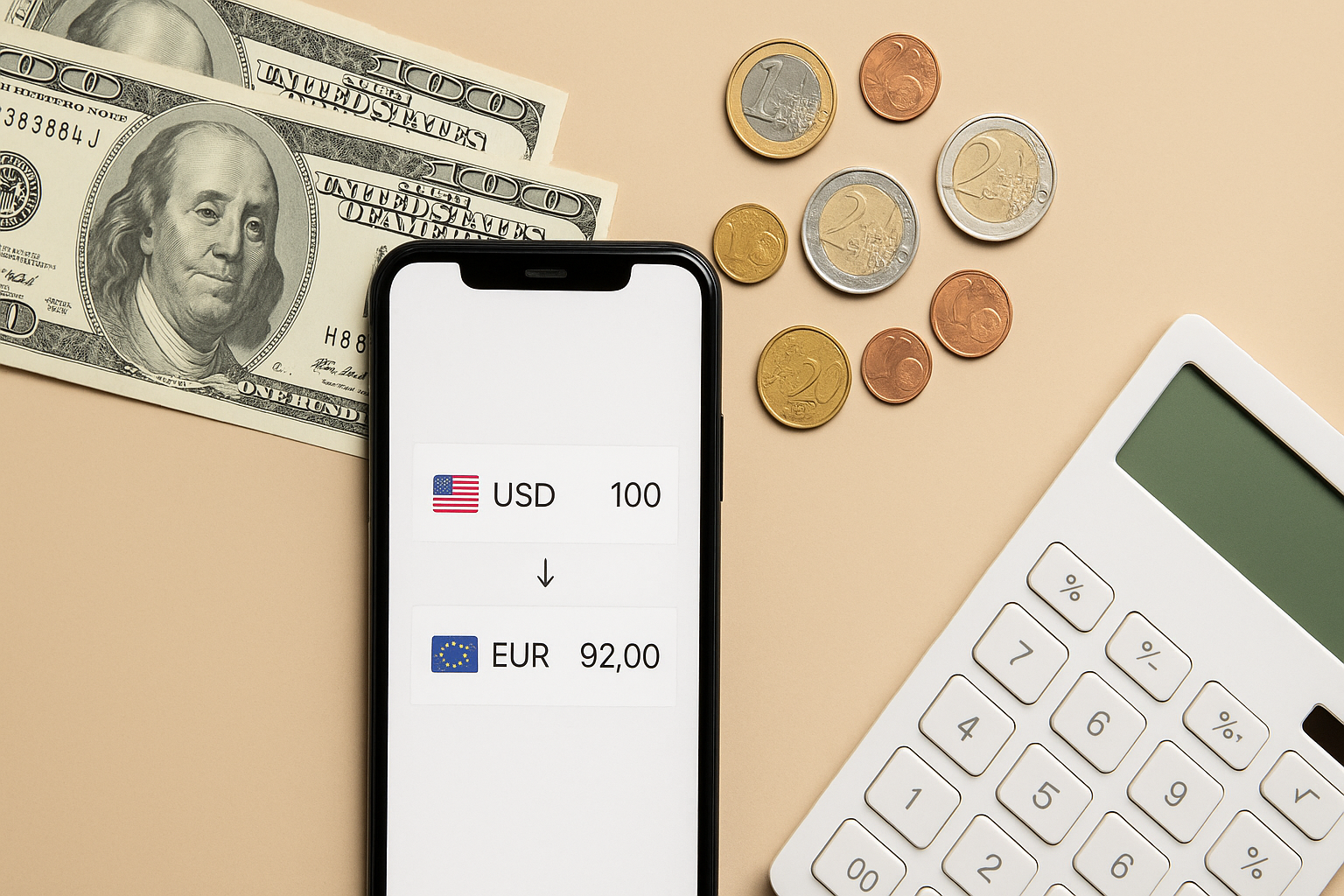
In today’s global economy, being able to convert one currency into another quickly and accurately is essential for travelers, business professionals, and online shoppers alike. Whether you’re planning a trip, investing internationally, or shopping from global e-commerce websites, a currency-converter is an indispensable tool. This guide dives deep into what a currency-converter is, how it works, its benefits, and how to choose the best one in 2025. What Is a Currency-Converter? A currency-converter is a digital or physical tool that calculates the value of one currency in terms of another based on current exchange rates. These tools can be found on financial websites, mobile apps, or embedded in banking platforms. Currency-converters provide real-time conversion, which is crucial due to the constant fluctuation of exchange rates in the foreign exchange (forex) market. The forex market is the largest financial market globally, with over $6 trillion traded daily. Why Use a Currency-Converter? Here are several scenarios where a currency-converter can be vital: 1. International Travel Travelers often need to convert their home currency to that of the destination. A currency-converter helps estimate costs, avoid overpaying for conversions, and budget effectively. 2. E-commerce and Online Shopping When purchasing products from international websites, prices are often displayed in foreign currencies. A currency-converter helps understand the actual cost in your local currency. 3. Freelancing and Remote Work Freelancers and remote workers dealing with global clients are paid in various currencies. A currency-converter helps them track income and ensure fair compensation. 4. Investing and Stock Trading Traders investing in foreign markets need to understand the conversion to accurately gauge profit and loss. A currency-converter helps with analyzing investment performance across currencies. How Do Currency-Converters Work? Most online currency-converters use data from forex markets and financial institutions. Here’s a breakdown of how they function: Conversion Formula: It uses the current exchange rate with a simple mathematical formula: Converted Amount = Amount in Base Currency × Exchange Rate Features to Look for in a Currency-Converter With many options available online and on mobile, it’s important to pick a currency-converter that fits your needs. Here are key features to look for: 1. Accuracy and Real-Time Rates Ensure the currency-converter uses live exchange rates. Outdated data can lead to incorrect conversions, especially in volatile markets. 2. Multi-Currency Support Choose a tool that supports a wide variety of currencies, including both major and minor ones. 3. Offline Functionality Some mobile currency-converters allow offline conversions using the last saved rates, useful for travelers without internet access. 4. Historical Data The ability to view historical exchange rates can help with market analysis and financial planning. 5. Customization Options Good currency-converters let you choose a base currency, add frequently used currencies, or create custom conversion lists. Top Online Currency-Converters in 2025 Here are some of the most popular currency-converters available today: 1. XE Currency Converter One of the most trusted tools with live rates, historical charts, and global coverage. 2. OANDA Currency Converter Great for forex traders with advanced tools and daily averages. 3. Google Currency Converter Simply type a query like “100 USD to EUR” in the search bar for instant results. 4. X-Rates Offers in-depth exchange rate tables, charts, and historical comparisons. 5. Currency Converter Plus App A mobile app with offline mode, fee calculators, and multi-currency conversion. Mobile Apps vs. Web-Based Currency-Converters Each type of currency-converter comes with its own advantages: Mobile Apps Web-Based Tools Benefits of Using a Currency-Converter The utility of a currency-converter goes beyond simple math. Here are its key benefits: How to Convert Currencies Using a Currency-Converter Let’s take a simple example. Suppose you’re converting 100 USD to EUR and the current rate is 1 USD = 0.92 EUR. Step-by-step: If you’re using a tool that includes fees, it may also display the effective amount after applying the fee. Challenges in Using a Currency-Converter Even the best tools come with limitations: Future Trends in Currency-Converters The currency-converter market is evolving rapidly. Here’s what the future may look like: 1. Blockchain-Based Conversions Blockchain technology could revolutionize how we convert currencies, making it instant, decentralized, and more transparent. 2. AI-Powered Predictions Future tools may offer exchange rate forecasting using AI, helping users convert at the best possible time. 3. Integration with Digital Wallets More converters are integrating with wallets like PayPal, Google Pay, and Apple Wallet for instant conversion and payment. 4. Multi-Function Finance Apps Modern finance apps are combining currency-converters, budgeting tools, and investment platforms into a single dashboard. How to Choose the Best Currency-Converter for Your Needs Ask yourself these questions: Your answers will guide you to the most suitable currency-converter. Conclusion A currency-converter is more than just a calculator—it’s a bridge that connects you to the global economy. Whether you’re a traveler, investor, freelancer, or just someone curious about international currencies, having a reliable currency-converter can simplify your financial decisions, save you money, and give you peace of mind. With advancements in technology, the modern currency-converter is now faster, smarter, and more accessible than ever before. Choose one that suits your lifestyle, and keep it handy—you never know when you’ll need it! Frequently Asked Questions (FAQs) Q1: Are all currency converters accurate? Most are accurate if they use real-time exchange data. However, always check if conversion fees are included. Q2: Can I use a currency converter offline? Yes, some apps offer offline features using last synced rates, but these may not reflect current market rates. Q3: Do banks offer better rates than online currency converters? Not always. Some banks charge higher margins or hidden fees. Compare with live currency-converter tools. Q4: What’s the best currency converter app for travelers? Apps like XE Currency or Currency Converter Plus offer great offline features and traveler-friendly tools.

Sign Up For Real Ac.